What Is the Difference Between Physical Dependence and Addiction?
Physical dependence and addiction are two distinct conditions that are frequently confused with one another. Physical dependence is a physiological state in which the body adapts to a substance and produces withdrawal symptoms when that substance is reduced or stopped. Addiction is a chronic brain disorder characterized by compulsive substance use despite harmful consequences. A person can be physically dependent without being addicted. Understanding this difference matters enormously for how conditions get diagnosed, treated, and discussed.
Why the Confusion Exists
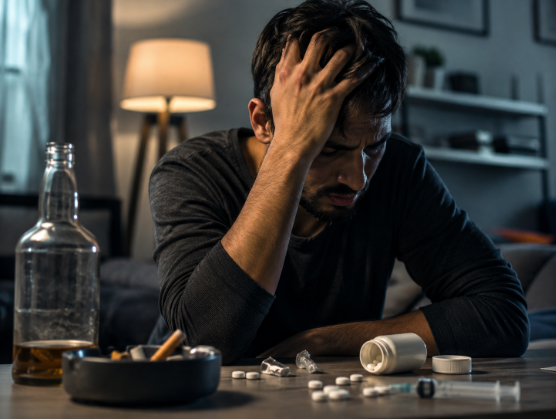 The two terms have been used interchangeably for decades, in medical settings and in everyday conversation. That blurring has caused real harm. Patients have avoided necessary pain medication out of fear of becoming “addicted.” Clinicians have sometimes dismissed withdrawal symptoms as proof of moral failure rather than as a predictable physiological process. People with true addiction have had their condition minimized as a simple habit.
Getting the language right is not pedantry. It shapes treatment decisions, insurance coverage, family dynamics, and how a person sees themselves.
What Physical Dependence Actually Means
When the body is exposed to a substance over time, it adjusts its own chemistry to compensate. This is adaptation, and it happens with many medications that have nothing to do with abuse or misuse. Opioid pain medications, benzodiazepines, beta-blockers, antidepressants, and corticosteroids can all produce physical dependence in patients taking them exactly as prescribed.
Two hallmarks define physical dependence:
- Tolerance: The body requires more of the substance to produce the same effect it once delivered at a lower dose.
- Withdrawal: Reducing or stopping the substance produces physical symptoms, which vary depending on the drug but can include sweating, nausea, elevated heart rate, anxiety, muscle pain, insomnia, and, in severe cases, seizures.
Neither tolerance nor withdrawal indicates addiction on its own. A patient who has taken prescribed opioids for chronic pain for six months will likely experience withdrawal if those medications are stopped abruptly. That is expected pharmacology, not a character flaw, and not evidence of addiction.
What Addiction Actually Means
Addiction involves the brain’s reward and motivation systems in a way that physical dependence does not. The American Society of Addiction Medicine defines addiction as a treatable, chronic medical disease involving complex interactions among brain circuits, genetics, the environment, and an individual’s life experiences.
The core features of addiction are behavioral:
- Continued use despite knowing it causes harm to health, relationships, or responsibilities
- Strong and persistent cravings for the substance
- Loss of control over how much or how often the substance is used
- Spending significant time obtaining, using, or recovering from the substance
- Giving up activities that were once meaningful to us
- Using it in situations where it is physically hazardous
According to the National Institute on Drug Abuse, addiction affects approximately 40 million Americans aged 12 and older, making it more prevalent than heart disease, diabetes, or cancer individually.
Physical dependence may or may not be present alongside addiction. Many people with addiction are also physically dependent. But the dependency is not what defines the disorder. The compulsive pattern, the loss of control, the continuation despite consequences, those define it.
A Useful Example: The Difference in Practice
Consider two people taking the same opioid medication for six months.
The first is a 58-year-old managing post-surgical pain. She takes the medication as prescribed, does not escalate her dose, and does not think about the medication between doses. When her physician tapers her off, she experiences some withdrawal discomfort for a week. She was physically dependent. She was not addicted.
The second is a 34-year-old who started with a prescription, began taking more than prescribed, then started obtaining the medication from other sources when prescriptions ran out. He misses work because of his use, has withdrawn from his family, and continues despite two hospitalizations. He has both physical dependence and addiction.
Same substance class. Vastly different conditions. Vastly different treatment implications.
DSM-5 and How Clinicians Diagnose This
The Diagnostic and Statistical Manual of Mental Disorders (DSM-5) replaced earlier categorical terms like “dependence” and “abuse” with a single diagnosis: Substance Use Disorder, rated mild, moderate, or severe based on how many of eleven criteria are present over 12 months.
Crucially, the DSM-5 explicitly notes that tolerance and withdrawal should not count toward a Substance Use Disorder diagnosis when they occur solely as a result of taking a medication as prescribed under medical supervision. A patient with physical dependence on prescribed medication is not automatically diagnosed with a substance use disorder. The behavioral and psychological criteria carry the diagnostic weight.
This shift in how psychiatry frames the diagnosis reflects the clinical reality: physiology and behavior are related, but they are not the same thing.
For a full overview of how addiction and substance use disorders are evaluated and treated, the National Institute on Drug Abuse offers detailed resources on evidence-based approaches.
Why This Distinction Matters for Treatment
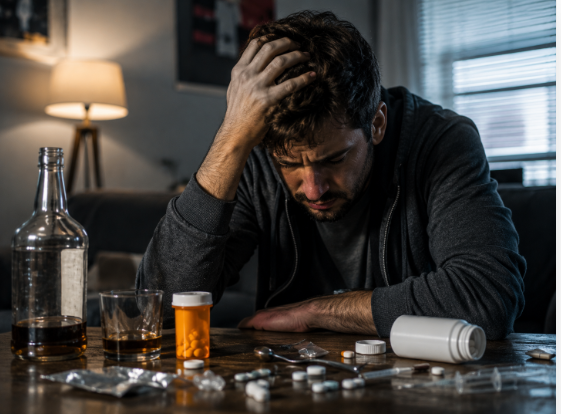 Treatment for physical dependence focuses on safely managing withdrawal. This is a medical process. Tapering schedules, supportive medications, and medical monitoring are the tools. The goal is to reduce or eliminate the substance without causing dangerous withdrawal effects. For some substances, particularly alcohol and benzodiazepines, withdrawal can be life-threatening and requires direct medical supervision.
Treatment for addiction addresses the behavioral, psychological, and neurological dimensions of the disorder. This typically involves:
- Psychiatric evaluation to identify co-occurring conditions like depression, anxiety, or PTSD that often drive substance use
- Medication-assisted treatment, which may include buprenorphine, methadone, or naltrexone for opioid use disorder, or naltrexone and acamprosate for alcohol use disorder
- Behavioral therapy, including cognitive behavioral therapy and motivational interviewing
- Ongoing follow-up and monitoring, because addiction is a chronic condition managed over time, not resolved in a single course of treatment
When both physical dependence and addiction are present, both must be addressed. Treating withdrawal without addressing the underlying addiction leaves the person at high risk of relapse once they feel physically stable.
PsychBright Health’s psychiatrists work with patients experiencing addiction and substance use disorders, including co-occurring mental health conditions that frequently accompany substance use.
The Stigma Problem
Conflating dependence with addiction has fed stigma in two directions. It has led some people to fear any long-term medication as a moral risk. It has also led others to dismiss addiction as a simple failure of willpower, since “everyone who takes opioids long enough becomes dependent,” the reasoning goes, so what is so special about the person who cannot stop?
What is special is the neuroscience. Addiction involves lasting changes to dopamine pathways, prefrontal cortex function, and stress response systems. These are not changes that willpower reverses. They are changes that respond to medical treatment, behavioral intervention, and time. Recognizing this is what allows people to seek help rather than hide in shame.
If someone in your life is struggling with substance use, or if you are, the 988 Suicide and Crisis Lifeline (call or text 988) offers 24-hour support and can help connect people to appropriate care.
Frequently Asked Questions
Can you be physically dependent on a medication without being addicted to it?
Yes, and this is one of the most important distinctions in clinical psychiatry. Patients who take opioids, benzodiazepines, antidepressants, or other medications as prescribed for extended periods often develop physical dependence, meaning their bodies adapt to the presence of the drug. If the medication is reduced or stopped abruptly, withdrawal symptoms occur. This is a pharmacological process, not a behavioral disorder. Physical dependence does not require compulsive use, craving, or loss of control, the defining features of addiction.
Does withdrawal mean someone is addicted?
Not necessarily. Withdrawal is a sign of physical dependence, which can occur with many medications taken as directed. The DSM-5 explicitly accounts for this: tolerance and withdrawal that result solely from prescribed, medically supervised use are not counted as criteria toward a Substance Use Disorder diagnosis. Withdrawal from alcohol, opioids, or benzodiazepines can be medically serious and should be managed by a physician, but experiencing it does not, on its own, indicate addiction.
What is Substance Use Disorder, and how is it different from addiction?
Substance Use Disorder (SUD) is the clinical term used in the DSM-5 for what is commonly called addiction. The DSM-5 moved away from earlier terms like “substance dependence” and “substance abuse” to reduce confusion with physical dependence. Substance Use Disorder is diagnosed based on eleven behavioral and psychological criteria, including loss of control, cravings, continued use despite harm, and withdrawal from responsibilities. It is classified as mild, moderate, or severe depending on how many criteria are met. The word “addiction” is broadly accurate but not a formal diagnostic term in current psychiatric practice.
What treatments are available for addiction versus physical dependence?
Physical dependence is treated through medically supervised tapering or, in acute cases, withdrawal management with supportive medications to prevent dangerous complications. Addiction requires a broader treatment approach addressing the behavioral and neurological dimensions of the disorder. This typically includes psychiatric evaluation, medication-assisted treatment such as buprenorphine or naltrexone, behavioral therapies, and ongoing follow-up. When physical dependence and addiction co-occur, both must be addressed in treatment. Treating withdrawal without addressing addiction significantly increases relapse risk once physical stabilization is achieved.
Can addiction develop without physical dependence?
Yes. Stimulants like cocaine and methamphetamine, as well as cannabis, produce addiction in some users without the pronounced physical withdrawal syndromes seen with opioids, alcohol, or benzodiazepines. A person can meet multiple criteria for Stimulant Use Disorder or Cannabis Use Disorder without experiencing the classic physical withdrawal that many people associate with addiction. The compulsive use pattern, loss of control, and continuation despite harm remain present regardless of whether significant physical dependence has developed.
When should someone see a psychiatrist about substance use?
A psychiatric evaluation is appropriate whenever substance use is affecting daily functioning, relationships, work, or health, regardless of whether the person believes they are “addicted.” Psychiatrists can assess for co-occurring conditions like depression, anxiety, PTSD, or ADHD that frequently drive or worsen substance use. They can also prescribe medication-assisted treatments that significantly improve outcomes for opioid and alcohol use disorders. Early evaluation generally leads to better outcomes than waiting until the disorder has progressed to a more severe stage.
If you or someone you know is struggling with substance use, the board-certified psychiatrists at PsychBright Health offer evaluations and individualized treatment, including medication-assisted treatment, with same-week appointments available. Insurance accepted includes Aetna, Blue Shield, UHC, Cigna, Anthem, Medicare, and Medicare Advantage. Reach out through the appointment request form or call (213) 584-2331.